2023-2024 Bergen Community College Common Read:
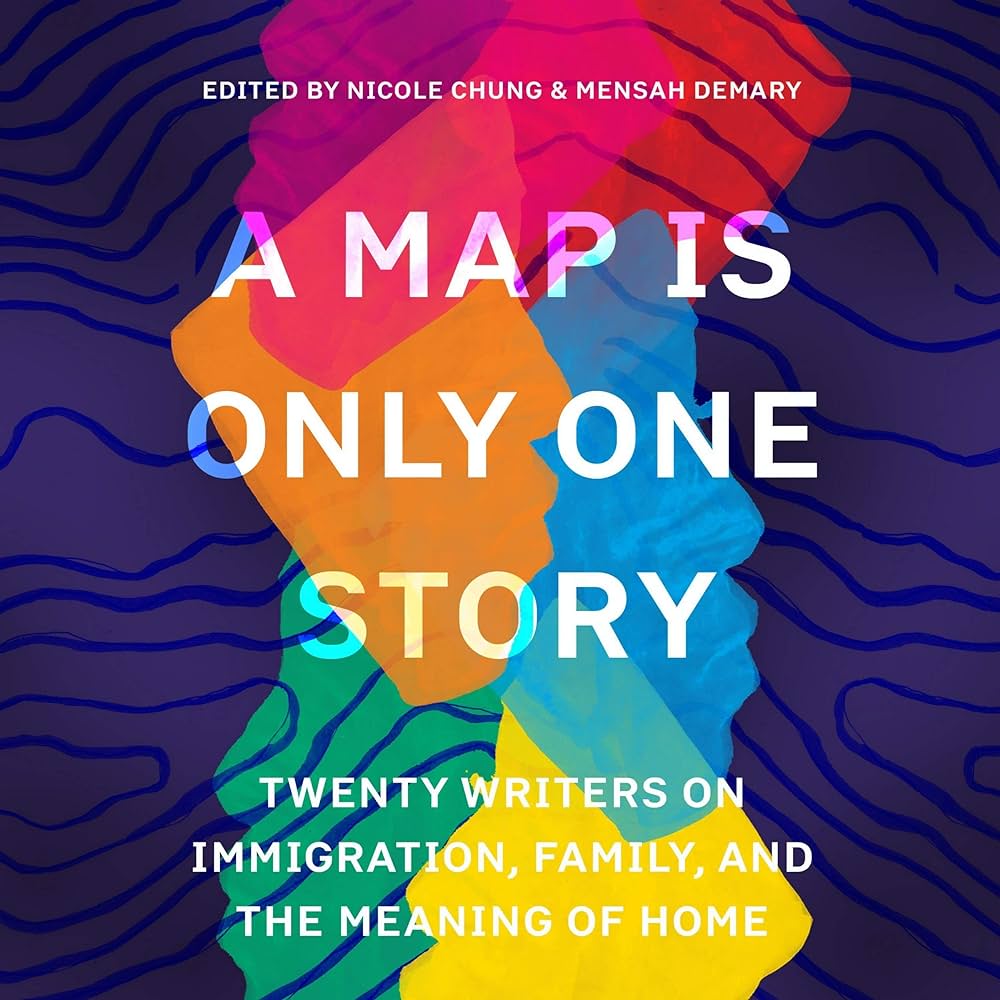
A Map is Only One Story: Twenty Writers on Immigration, Family and the Meaning of Home, edited by Nicole Chung & Mensah Demary
A Map is Only One Story: Twenty Writers on Immigration, Family and the Meaning of Home, edited by Nicole Chung & Mensah Demary is a collection of essays, which highlight the human side of immigration policies and polarized rhetoric as the writers share personal stories of existing between languages and cultures. From rediscovering an ancestral village in China to experiencing the realities of American life as a Nigerian, the search for belonging crosses borders and generations. A provocative collection of writers from all over the world, among its many themes are migration and belonging, family, identity, invisibility, language, community, and culture.
Click here for the BCC Library Guide for the Common Read.
For information about the BCC Equity Council.
From Kirkus Reviews:
“Two Catapult magazine editors gather essays about immigration and “the meaning of home” from 20 emerging and established women writers.
Chung (All You Can Ever Know, 2018) and Demary (co-author, with Common: Let Love Have the Last Word, 2019) select personal reflections from writers such as Victoria Blanco, Shing Yin Khor, Cinelle Barnes, and Porochista Khakpour, all of whom are “immigrants, the children of immigrants and refugees, [and/or] people directly affected by immigration policy and how this country treats those who come here.” The book opens with Blanco’s “Why We Cross the Border in El Paso,” which establishes the overarching theme of crossing cultural boundaries. The author revisits childhood memories of watching Mexican families “rush across the Rio Grande” on the way into El Paso. Blanco then muses how, two decades later, a dam that regulates water flow and a tall steel fence now act in concert with border guards to “turn families away.” Khor’s graphic essay, “Say It With Noodles,” explores the emotionally liminal space the author inhabited as the English-speaking daughter of a Chinese family and how food was the medium for how they communicated feelings among their family and to others. In “Carefree White Girls, Careful Brown Girls,” Filipina American author Barnes writes about the meaning of being undocumented. A brief friendship with a former drug delivery girl made her understand how being “cute [and] blonde” allowed her white friend to “get away with danger” while she had to live “forever clean” in order to stay safe from the inevitable judgments others passed on Barnes’ immigration status. In “How to Write Iranian America; Or, The Last Essay,” Khakpour discusses the exhausting burden of being an Iranian-born refugee living in America. With origins that have been “obsessed over” by the news, she must continually explain herself and the “Iranian America” of which she is part. Fierce and diverse, these essays tell personal stories that humanize immigration in unique, necessary ways. A provocatively intelligent collection.”
 East80West